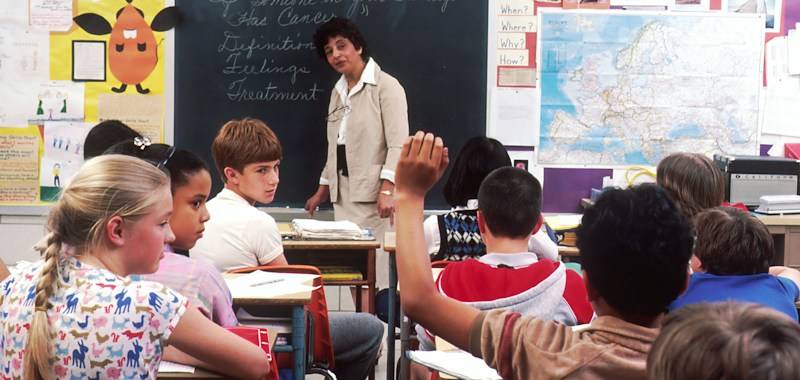
Inclusion is often measured by whether a child is physically present in a mainstream classroom. But true inclusion goes much further.
A child can sit in the same classroom as everyone else and still feel excluded if lessons are inaccessible, support is inconsistent, or their individual needs are not understood.
Understanding the Whole Child
Meaningful inclusion begins with understanding the whole child.
Learning ability is only one part of the picture. Attention, communication, sensory processing, emotional regulation, executive functioning, motor skills, confidence and the child's environment can all influence how they participate and learn.
Beyond a One-Size-Fits-All Approach
This is why schools need to move beyond a one-size-fits-all approach.
A truly inclusive school creates systems that help educators identify where a learner may need support, understand the factors influencing their learning, plan meaningful interventions and monitor progress over time.
The Role of Technology
Technology can play an important role in making this possible. The right technology does not replace teachers or special educators. It gives them better information, better tools and a clearer view of each learner.
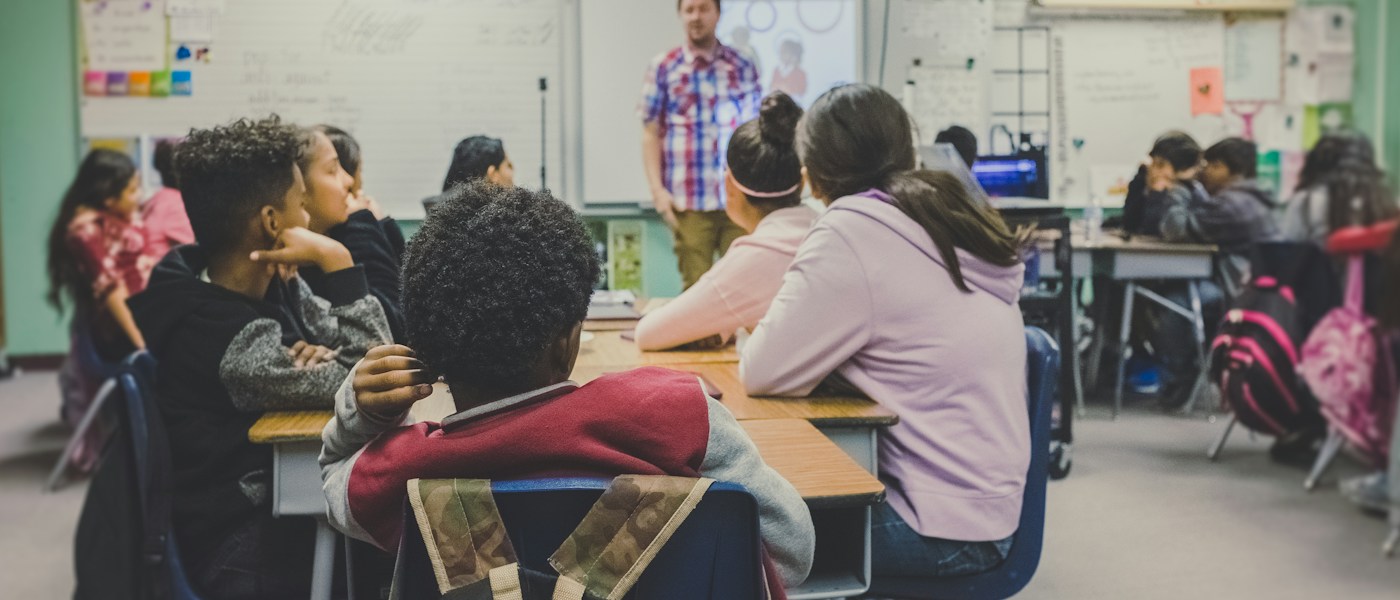
Inclusion Beyond the Special Educator's Room
Inclusion also belongs beyond the special educator's room. Teachers, school leaders, families and governments all have a role to play.
How Inclusive Schools Work
The goal is not simply to accommodate children who learn differently.
The goal is to build learning environments where differences are expected, understood and supported.
“When schools design for the whole child, inclusion stops being an additional programme. It becomes the way the school works.”
Discover how SpEd@school helps schools build whole-child inclusion.
SpEd@school Editorial Team
Inclusive Education
Empowering educators, school leaders, and families with research-backed frameworks and tools to support every learner.